

A whole house renovation isn’t just a facelift. It’s a full reset. Walls move. Systems change. Layouts evolve. You’re aiming for a home that feels brand new.
In this article, we’ll walk you through every step — from early vision to final walkthrough. You’ll know what pitfalls to avoid. You’ll gain clarity. You’ll get action steps.
Why trust this guide? Because it’s built to go deeper than what’s out there now. More examples. More insights. Less fluff.
And yes — I’ll tell you why Bay Area General Contractors Inc. stands out as your best partner. (You’ll spot the name in the intro, as promised.)
We’ll cover:
- Planning & design essentials
- Budgeting & financing
- Permits, systems, and structure
- Material and finish choices
- Execution, quality checks, and final touches
- Maintenance and aftercare
You’ll finish this with a roadmap. Something real you can act on. Let’s get started.
Key Takeaways
- You must plan deeply before breaking anything — poor planning is costly.
- Understand and budget for hidden and systemic costs, not just finishes.
- Choose the right contractor type (design-build, general, specialty) to match scale.
- Communication, contingencies, and inspections separate success from disaster.
- After the renovation, maintenance planning is essential to protect your investment.
Why a Whole House Renovation?
You might ask: “Do I need a whole house renovation, or just remodel a few rooms?” It’s a fair question.
When a Full Overhaul Makes Sense
- Structural or system failure — old pipes, wiring, foundation issues.
- You want cohesive style throughout — not patchwork rooms.
- Layout issues: poor flow, wasted space, lots of corridors.
- Energy efficiency — you want modern HVAC, insulation, windows.
- Your house is old and outdated beyond superficial fixes.
When your problems are deeper than paint and cabinet choices, it’s time.
Benefits to Expect
- Optimized floor plan and better traffic flow
- Increased property value — a full upgrade is more compelling to buyers
- Lower long-term maintenance (replacing wiring, plumbing, etc., once)
- Better efficiency: insulation, windows, systems
- Peace of mind — everything is done once, well
Many competitor articles stop at aesthetic changes. I want you to see the bones — how structure, systems, and layout matter.
Laying the Foundation: Planning & Design
Jumping into demolition without a solid foundation is how nightmares begin.
Vision & Scope
Define what “renovation” means to you. Is it cosmetic — or structural?
Make a list:
- Which rooms will change?
- Which will stay?
- What style aesthetics do you love?
- What systems or appliances must be upgraded?
Create a “must-have vs nice-to-have” list. Prioritize. Be ruthless.
Architects, Designers, & Renderings
You’ll need drawings, plans, blueprints. Don’t skip this.
Good designers help avoid costly mistakes (plumbing conflicts, load issues).
Use renderings or mockups. Walk through virtual versions so you feel your space before construction.
Contractor Type: General vs Design-Build vs Specialty
- A general contractor manages construction, hires subs, executes your design.
- A design-build contractor handles both design and build under one roof. Better communication, fewer handoffs.
- Specialty contractors focus on niche tasks (electrical, plumbing, HVAC).
For a whole house renovation, many clients prefer a design-build model — reduces miscommunication and change orders. Many contractor-comparison articles highlight this difference.
Bay Area General Contractors Inc. operates with integrated design and build expertise. You don’t juggle multiple points of contact. Fewer surprises.
Permits, Codes, & Regulations
Don’t assume your county or city laws are simple.
- Submit architectural plans
- Handle structural, electrical, plumbing, mechanical approvals
- Historic zones? Earthquake zones? Fire zones?
Failure to get permits = huge fines, forced reversals. So plan this early.
Budget & Contingency
A rule of thumb: allocate 15–25% extra of your total budget for unforeseen costs.
Why? Hidden rot. Asbestos. Lead paint. Unseen structure damage.
Also track major cost categories:
- Demolition & structural
- Systems (plumbing, HVAC, electrical)
- Exterior (roof, windows, siding)
- Interior finishes (flooring, cabinets, fixtures)
- Permits & inspections
- Contingency fund
Competitor blogs often gloss over the hidden costs. We won’t.
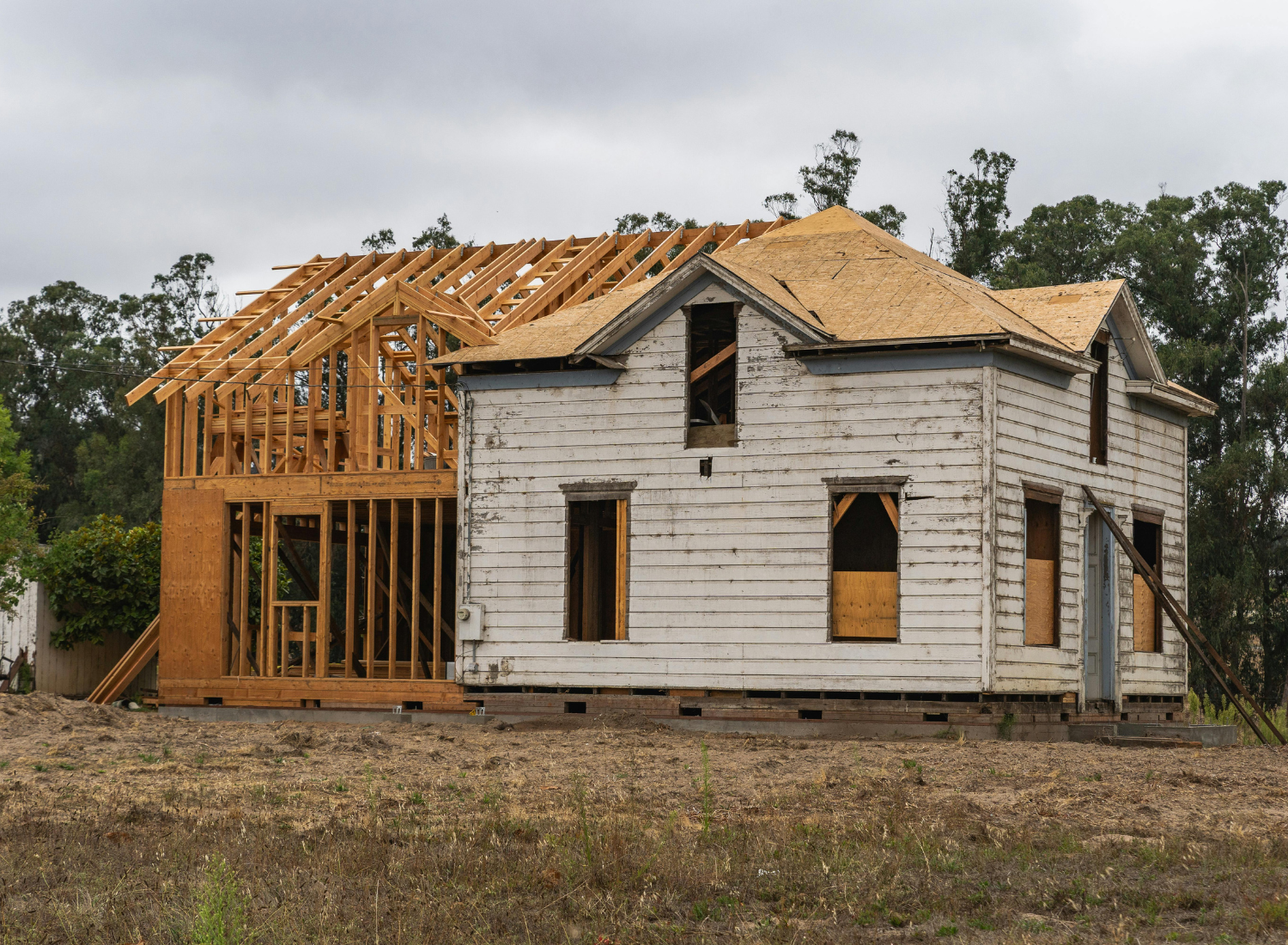
Systems, Structure & Infrastructure
This is the guts — where many projects go off-track.
Foundations, Load-Bearing Walls & Structure
If you move walls or add openings, you might need new beams, posts, or reinforcements.
A consulting structural engineer is critical.
Example: a wall you think is just drywall might be full of plumbing or load support. Remove it without reinforcements = disaster.
Electrical, Plumbing, & HVAC Upgrades
Modern homes demand more from systems. Old houses often underpowered.
- Rewire lighting circuits, plugs
- Install modern plumbing, fixtures, perhaps re-route
- HVAC: new ducting, zone systems, perhaps mini-splits
- Smart systems: integrate thermostats, lighting, security
Make sure you plan system layout before finishes. You don’t want wires or pipes exposed later.
Insulation, Windows, & Energy Efficiency
Old insulation is often insufficient. Upgrading windows, walls, roofs improves comfort and lowers utility bills.
Use high–R-value materials. Do a blower-door test to check for tight envelope.
Example: replacing single-pane windows with double- or triple-pane can reduce heat loss significantly.
Structural Waterproofing & Drainage
If you remodel basements or lower levels, moisture control is vital.
Install French drains, sump pumps, vapor barriers.
Don’t wait until leaks appear — do this early.
Material, Finish, & Interior Selection
This is where style meets substance. But materials matter — choose wisely.
Flooring, Walls & Surfaces
Pick durability, not just looks. High-traffic zones need stronger materials (tile, engineered hardwood).
Use moisture-resistant materials in bathrooms, kitchens.
Example: porcelain tile for kitchens; engineered wood in living areas; waterproof laminate in high-risk rooms.
Cabinets, Fixtures & Hardware
Bad finishes and cheap hardware show. Invest where the eye goes.
- Soft-close doors/drawers
- Quality cabinet box materials
- Faucets, lighting fixtures: don’t skimp
When reading competitor content, many skip giving you what brands/standards to target. Here you get real talk.
Lighting & Electrical Layout
Lighting is mood. Plan layered lighting: ambient, task, accent.
Design circuits, switch locations, dimmers. Specify LED, smart lighting where desired.
Paint, Trim & Aesthetics
Finish details make a home feel polished.
Use consistent trim, moldings, baseboards. Decide on color palette early — it guides every material selection.
Execution, Quality Control & Project Management
Here’s when things get real. This is where good plans either pay off — or fall apart.
Scheduling & Phases
Break your project into clear phases:
- Demolition / site prep
- Structural / framing
- Systems rough-in (plumbing, electrical, HVAC)
- Insulation / drywall
- Finishes (flooring, cabinets, painting)
- Final systems hookup
- Punch list / inspections
- Walkthrough & handover
Each phase needs buffer days for delays.
Communication & Documentation
Weekly meetings. Written progress reports. Photo logs.
Change orders documented in writing. No verbal promises — always written.
Inspections & Checkpoints
Don’t wait until the end. Inspect rough-ins before closing walls.
Hire independent inspectors if possible.
Check quality: alignment, finishes, tolerances, functionality.
Problem Handling & Contingency
Expect problems. That’s why you kept contingency.
When they arise: document, pause, assess, propose solutions, and resume.
Examples: hidden rot, mismatched dimensions, supply shortages.
Maintenance, Aftercare & Long-Term Protection
Your job isn’t done when the contractors leave. You need to protect your investment.
Seasonal Maintenance (H3)
- Inspect roof, gutters
- Touch up paint / caulking
- HVAC servicing
- Plumbing checks
- Window seals
Warranties & Guarantees
Make sure contractors provide warranties on work (1–2 years typical).
Keep manuals, drawings, receipts.
Future Flexibility
Build in reservation: extra conduit, empty sleeves, access panels.
So that future upgrades (smart home, plumbing changes) are easier.
FAQs
- How long does a whole house renovation take?
Usually 4–12 months, depending on size and scope. - How much does it cost?
Anywhere from $100K to $300K+, based on materials and layout changes. - Do I need permits?
Yes, for plumbing, electrical, and structural work. Your contractor handles this. - Can I stay in the house during the renovation?
Not ideal. It’s noisy, dusty, and messy. Better to move out if possible. - How do I pick the right contractor?
Check licenses, reviews, and past projects. A trusted pro like Bay Area General Contractors Inc. makes all the difference.
Conclusion
A whole house renovation is a big move. But done right, it transforms your home forever.
We covered visioning, deep planning, systems, materials, execution, and aftercare. We looked at pitfalls and actionable advice.
If you keep focus on groundwork — structure, systems, inspections — the aesthetics will follow.
Let Bay Area General Contractors Inc. be your partner. Their integrated approach, experience, and attention to detail mean you’re not left juggling contractors or chasing oversight.
You deserve a home that’s safe, beautiful, efficient — a home you’ll love for years.
Call to Action
Ready to start your whole house renovation? Reach out to Bay Area General Contractors Inc. today for a free consultation. Let’s build the home you’ve always wanted — from the ground up.


